

Sustainability is becoming an important consideration for many businesses when choosing products and suppliers. Materials, manufacturing processes, packaging, product lifespan and transport can all form part of that decision.
Working with local wholesale suppliers can give businesses more options when they want to source closer to home. It may also make it easier to ask questions about how products are made, where materials come from and how orders are packaged and delivered.
Australian sourcing doesn’t automatically make a product sustainable, but it can form part of a broader sourcing strategy alongside product quality, materials, packaging and supplier practices.
Considering Transport and Distribution
Transport is one part of a product’s overall environmental footprint. The distance goods travel, the type of freight used and the way orders are distributed can all influence transport-related emissions.
When searching for wholesale suppliers in Australia, businesses can consider Australian suppliers alongside factors such as manufacturing location, materials, packaging and delivery methods.
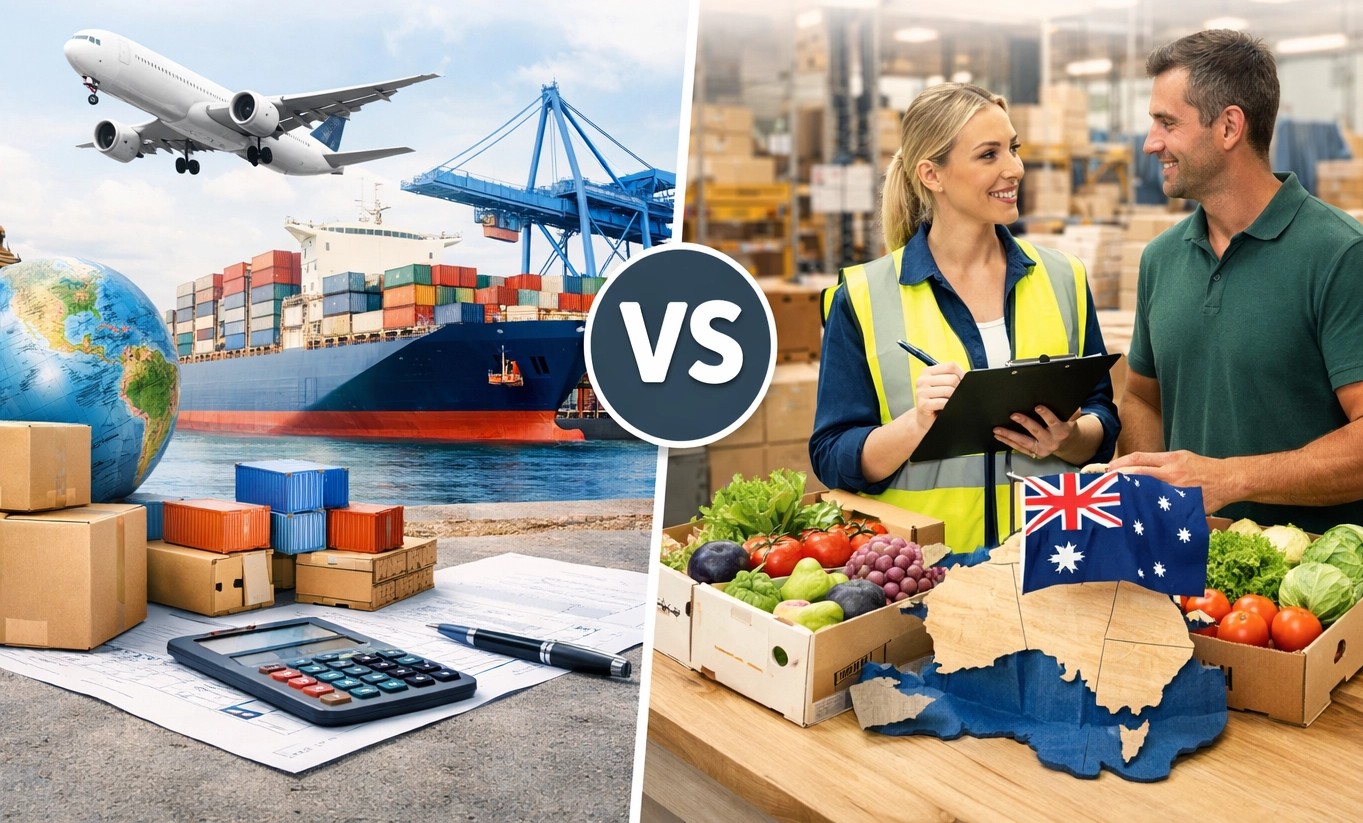
Sourcing from suppliers in Melbourne or Sydney, for example, may provide different freight and distribution options compared with importing products directly from overseas. The actual environmental impact will depend on the product and its supply chain.
Why Local Means More Transparency
One of the biggest headaches with international sourcing is the “black box” of production. It’s hard to know exactly what’s happening in a factory halfway across the world. Are they using energy-efficient lighting? What’s their waste management like? Are the working conditions actually fair?
When you work with local wholesale suppliers, that transparency gap starts to close. It’s much easier to:
- Visit the facility. You can literally pop in and see how things are made.
- Ask direct questions. You’re dealing with people in your own timezone who understand the local regulations.
- Verify certifications. It’s much simpler to check if an Australian business is following through on its environmental promises.
This level of product sourcing transparency is gold for your marketing. Being able to tell your customers, “I’ve seen where this is made, and I know the people who make it,” builds a level of trust that a generic “imported” label never will.
The Power of Smaller Batches
Overseas suppliers often demand huge Minimum Order Quantities (MOQs). Why? Because it’s not cost-effective for them to ship small amounts. But for a small or medium-sized retailer, these massive orders are a sustainability nightmare.
When you’re forced to buy 5,000 units of something just to get a decent price, you end up with dead stock. Dead stock eventually leads to waste: either it’s sold off at a loss or, in the worst cases, ends up in a landfill.
Australian wholesalers are often much more flexible. Because they aren’t dealing with international freight logistics for every single order, they can often offer lower MOQs. This allows you to:
- Test new products without a massive commitment.
- Keep your inventory lean, which is great for your business management.
- Reduce waste by only ordering what you actually need.

Why Supplier Transparency Matters
Sustainability also involves understanding how products are made and supplied. Businesses may want information about materials, manufacturing processes, packaging, certifications and other practices before deciding which products to stock.
Working with local wholesale suppliers can sometimes make these conversations easier. Being in the same country may make it simpler to communicate directly, understand local business requirements or arrange a visit when a supplier manufactures from its own facility.
When comparing suppliers, consider asking about:
- Where products are manufactured and where materials or ingredients are sourced.
- Packaging and materials, including any environmental claims being made.
- Relevant certifications and what those certifications actually cover.
- Production practices when this information is important to your business or customers.
Australian sourcing doesn’t guarantee greater transparency, so it’s still important to ask questions and verify claims where necessary. Good product sourcing involves looking at the individual supplier and product rather than relying on location alone.
Considering Order Quantities and Waste
Minimum order quantities (MOQs) can also influence purchasing decisions and inventory management. Larger minimum orders may offer a better unit price, but they can also leave a business holding more stock than it can reasonably sell.
Some Australian wholesalers offer smaller or more flexible order quantities, while others may have higher minimums depending on the products they supply, how they manufacture and their own distribution model.
When comparing suppliers, consider:
- Minimum order quantities and whether they suit your expected sales.
- Opening order requirements for new wholesale accounts.
- Reorder quantities once an account has been established.
- Shelf life or seasonality, particularly for food, beauty and trend-based products.
- Storage requirements and the amount of stock your business can reasonably hold.
Ordering quantities that suit your business can help with business management and reduce the risk of excess or unsold stock. For businesses considering sustainability as part of their sourcing strategy, avoiding unnecessary inventory and waste is another factor worth considering.

Putting Sustainability into Practice
Improving the sustainability of your supply chain doesn’t necessarily mean replacing every supplier. A more practical approach is to review how you currently source products and identify areas where changes could make sense for your business.
You could start by:
- Reviewing your current suppliers and products. Look at factors such as manufacturing location, materials, packaging, freight, order quantities and product lifespan.
- Identifying areas for improvement. This might involve reducing unnecessary packaging, choosing different materials, adjusting order quantities or considering suppliers closer to your business.
- Comparing suppliers. Use B2B Hub to find Australian suppliers and compare their products, wholesale requirements and business practices.
- Checking sustainability claims. If environmental credentials influence your purchasing decision, look for supporting information or recognised certifications rather than relying on broad sustainability claims.
- Making changes that suit your business. Sustainability is only one part of sourcing, alongside product quality, pricing, customer demand, reliability and wholesale terms.
Small changes across different parts of the supply chain can be more practical than trying to change everything at once.
For more information about using B2B Hub and finding suppliers, visit our FAQs.
Making More Informed Sourcing Decisions
There isn’t one sourcing approach that will be right for every business. Australian suppliers can offer advantages in areas such as communication, freight options and access to locally made products, but location alone doesn’t determine how sustainable a product or supplier is.
When comparing wholesale suppliers in Australia, consider the complete picture: where products are manufactured, the materials used, packaging, transport, order quantities, supplier practices and how well the range suits your business.
B2B Hub makes it easier to find Australian wholesalers, manufacturers, makers and brands across different categories and contact them directly about their products and wholesale terms.
Browse the B2B Hub wholesale directory to start your search.


